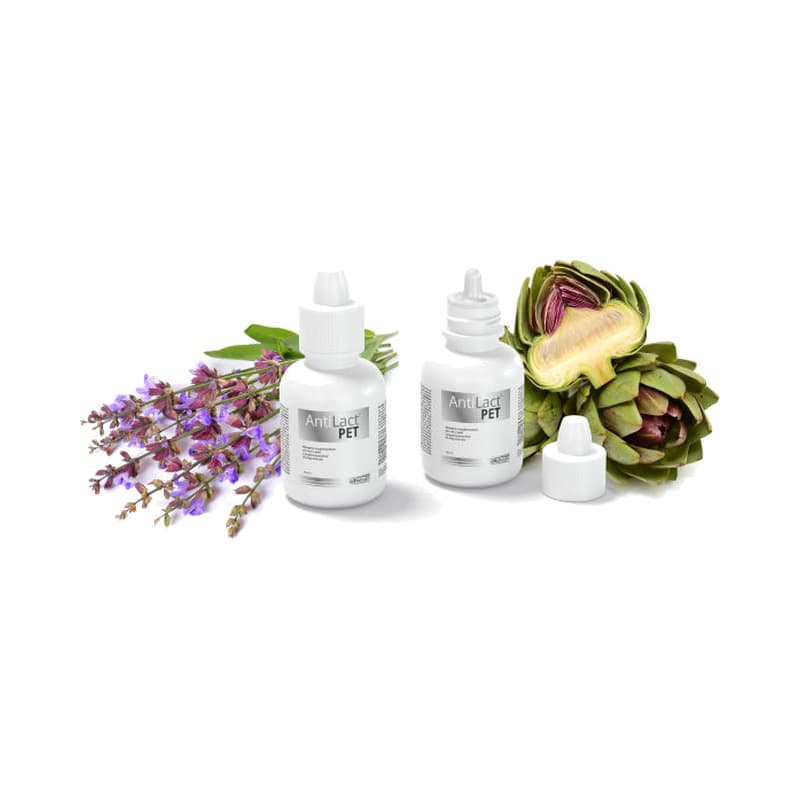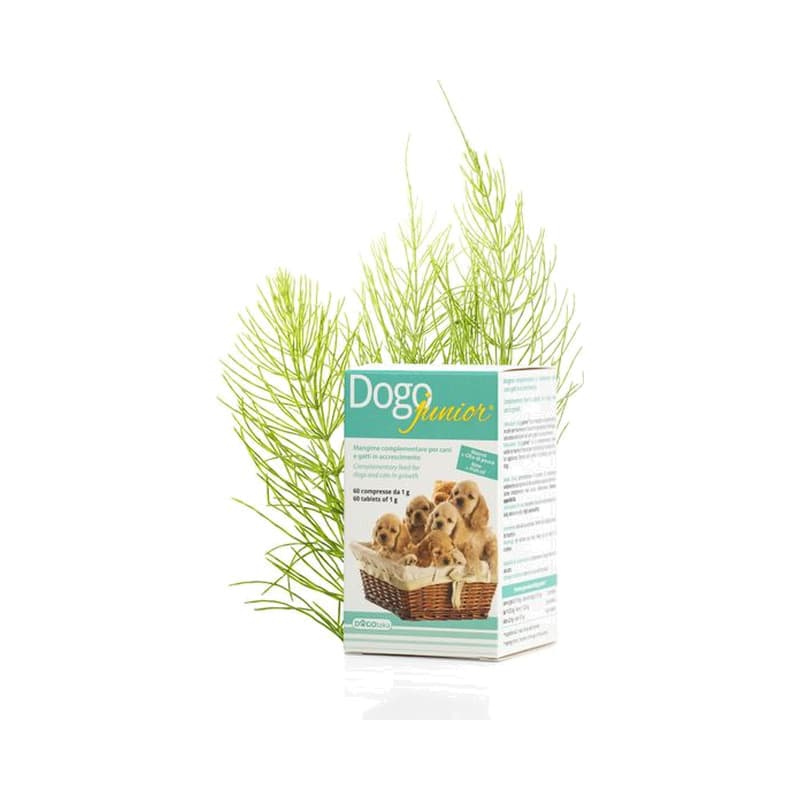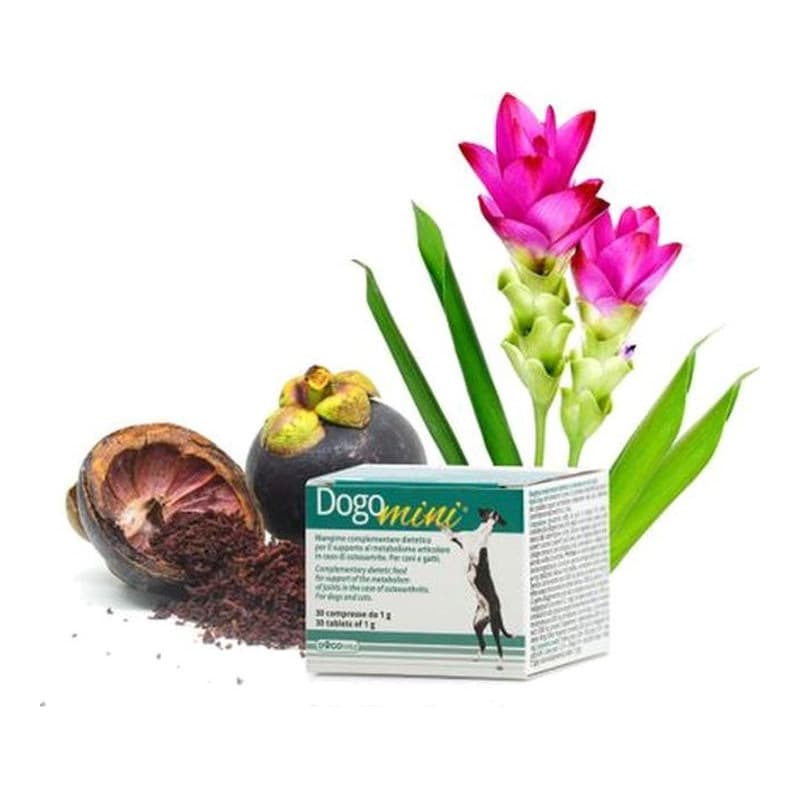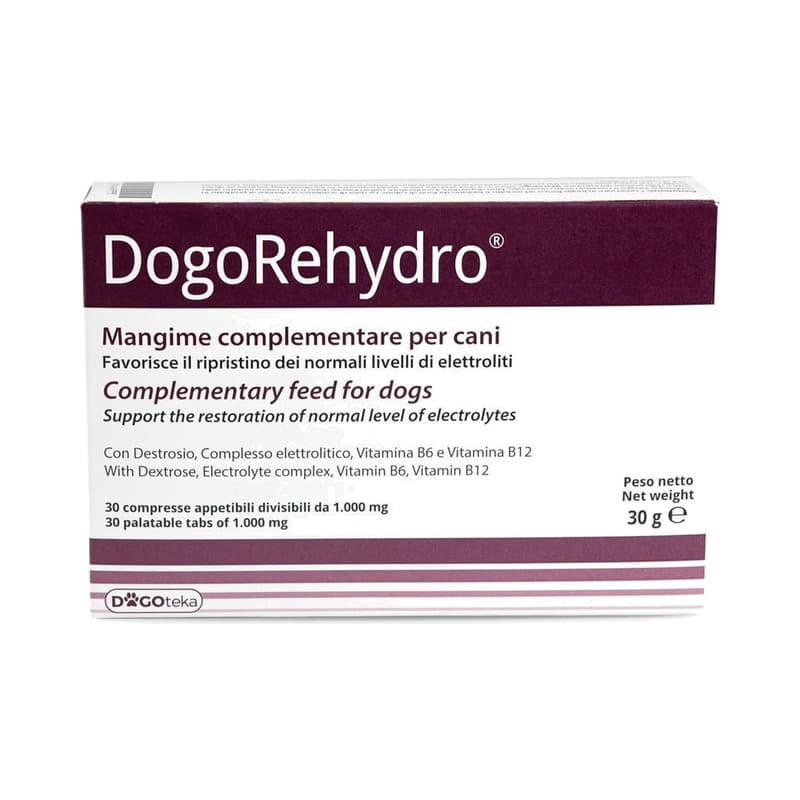


Dogoteka MultiAdapt ist das Basis-Ergänzungsfuttermittel für Hunde und Katzen, es fördert die natürliche Immunabwehr, unterstützt den Energiestoffwechsel und verbessert zugleich die Wirkung anderer Ergänzungsfutter. Ein breiter Vitamin- und Spurenelementkomplex trifft auf L-Carnitin, Spirulina, Hagebutte, Sonnenhut und die Wurzel des Mongolischen Tragant. Gedacht als Begleiter zu LactoAdapt®, DogoMini®, DogoJunior® und DogoMaxy®.
Alle Preise inkl. MwSt. zzgl. Versandkosten.
Dogoteka MultiAdapt
29,99 €38,99 €MultiAdapt® is a complementary feed, useful for promoting the natural immune defenses and for normal energy metabolism.Specially formulated for dogs and cats that need a balanced and effective support for their well-being, MultiAdapt has a composition that includes various ingredients, useful individually, even more effective in synergy with each other.Multiadapt can be useful in case of: nutritional deficiencies particular conditions such as pregnancy and breastfeeding in growing puppies and elderly dogs and cats to maintain perfect muscle tone in working and sports dogs states that need integration to improve performance (for example at the muscle level, to increase the immune system, etc.) states of recovery from normal conditions (for example in a post-operative convalescent period) in the convalescence of debilitating diseases due to stimulation of immune defenses due to its specific components to maintain the skin and the hair in excellent conditions MultiAdapt – Formulated specifically for dogs and cats that need a balanced and effective support for their well-being MultiAdapt has a composition that includes various ingredients, useful individually, even more effective in synergy with each other. Metabolism and energy requirement Metabolism is the set of biochemical and energy processes that take place in living organisms. These processes make it possible to transform the food that is ingested into energy that the body uses for the reactions of Anabolism (characterized by the processes of assimilation and synthesis, which allow the formation of new matter or the accumulation in the cells of new reserve material ) and catabolism (characterized by the processes of cleavage and degradation through which cellular constituents and reserve substances are transformed into smaller molecules, more easily assimilated and / or excreted).With the catabolic reactions or with the destruction of the chemical bonds of the more complex molecules into smaller molecules, energy is released. This energy is used by the body to perform normal activities such as eg. muscle work or the maintenance of body temperature, but also to carry out normal vital functions, such as breathing, digestion and circulation in conditions of rest.The set of minimum catabolic reactions necessary for an organism to be able to perform these vital activities in conditions of rest and optimal temperature is called BASAL METABOLISM, while the set of catabolic reactions necessary to perform normal physical activities is called ENERGETIC METABOLISM.The basal metabolic rate is influenced by genetic factors, age, sex and hormonal factors, while the energy one depends on the physical activity that is carried out daily and the food ingested.The macronutrients provided by food such as carbohydrates, proteins and lipids constitute real biological fuels: in the animal body they are broken down, in the presence of oxygen, to carbon dioxide and water. This process, which occurs through hundreds of intermediate chemical reactions, involves multiple energy transformations and the synthesis of intracellular reserve materials.These various nutrients provide different amounts of energy: 1 gram of carbohydrates develops about 4 kcal. 1 gram of lipids develops about 9 kcal. 1 gram of protein develops about 4 kcal. From here it comes the definition of requirement, that is, the daily quantities to be taken of the main nutrients, to cope with both the expenditure of the basal metabolism and the energy required for various physical activities. The diet must be varied, that is, all food principles (proteins, vitamins, minerals, carbohydrates, fats) must be represented, so that the sum of the calories introduced is equal to the energy requirement (however, taking into account that the different foods have different caloric value). If the calories introduced are the same as the calories expended, the subject’s caloric balance is in equilibrium; if the calories introduced are greater than those consumed, the body accumulates calories, that is, it gets fat; conversely, if the calories introduced are less than those consumed, they lose energy, that is, they lose weight.With these premises, it is evident that every organism has its own metabolism, thanks to which it uses the molecules deriving from the digestion and degradation of assimilated foods. However, it sometimes happens that it is necessary to provide through eg. supplementation with a complementary feed additional elements necessary for the animal’s needs or in any case useful for maintaining its well-being; it is for this reason that a supplementation can make up for a possible lack. Supplementation is therefore useful in case of: nutritional deficiencies particular conditions such as pregnancy and breastfeeding states that need implementation to improve performance (for example at the muscle level, to increase the immune system, etc.) states of recovery from normal conditions (for example in a post-operative convalescent period) MultiAdapt – Formulated specifically for dogs and cats that need a balanced and effective support for their well-being Multiadapt has a composition that includes various ingredients, useful individually, even more effective in synergy with each other.The diet must be varied, that is, it must bring all the food principles such as proteins, fats, carbohydrates, vitamins and minerals. Sometimes, however, it may be necessary to provide supplementation of some nutrients necessary for the animal’s needs or in any case useful for its well-being. In this case, a complementary feed such as Multiadapt based on vitamins and minerals with the addition of spirulina algae and astragalus powder may be useful.Active ingredients: VITAMINS Vitamins are bioregolators of great importance as they preside, together with hormones, the carrying out of all physiological processes both directly and indirectly through enzymatic mechanisms. On the basis of solubility they are classified in liposoluble (stored in the liver, they represent a reserve for the organism), which dissolve in fats and in apolar solvents and water-soluble (they are not accumulated in the organism, it is therefore essential to introduce them daily through the diet) which dissolve in polar solvents, like for example water. All vitamins are responsible for specific tasks, and their deficiency can cause malfunction and / or dysfunction in the body. VITAMINS – Vitamins are bioregolators of great importance as they preside, together with hormones, the carrying out of all physiological processes both directly and indirectly through enzymatic mechanisms. On the basis of solubility they are classified in liposoluble (stored in the liver, they represent a reserve for the organism), which dissolve in fats and in apolar solvents and water-soluble (they are not accumulated in the organism, it is therefore essential to introduce them daily through the diet) which dissolve in polar solvents, like for example water. All vitamins are responsible for specific tasks, and their deficiency can cause malfunction and / or dysfunction in the body. Vitamin A (retinol) – fat-soluble vitamin that plays a very important role in vision, bone growth and the maintenance of the regular functions of the immune system. Another function performed by this vitamin is the epithelial-protective one; useful activity especially for the mucus secreting tissues of the digestive, respiratory and urogenital systems. Vitamin A is mainly found in foods of animal origin, such as liver and spleen, milk and derivatives and eggs, but is also present in fish and plant sources. Vitamin D3 (cholecalciferol) is a fat-soluble vitamin that plays its role in the regulatory mechanism of calcium homeostasis, it is important for skeletal development and bone mineralization. It intervenes in the intestine, in favor of the absorption of calcium and phosphorus and contributes to their normal use. Vitamin E – fat-soluble vitamin (α-tocopherol) with antioxidant activity. It is very common in the plant world, especially in the germs of cereals and related oils and in the green parts of all plants. It has the fundamental role of physiological antioxidant of the cell. Vitamins of group B (B1 B2 B6 B12) (thiamine, riboflavin, pyridoxine, cobalamin) – are a group of water-soluble vitamins consisting of at least 15 elements and which, despite the heterogeneity of their molecular structure, have in common the presence of nitrogen in their molecular structure and perform coenzymatic function. They participate in the most significant stages of intermediate metabolism as coenzymes: that is, they are combined with specific principles of a protein nature, intervening in the most varied reactions of metabolism; they are essential substances for normal energy metabolism. Vitamin B1 – (thiamine) It is widespread in many green vegetable tissues and in many cereals such as whole oats, whole barley, rice husks. It mainly intervenes in the intermediate metabolism of carbohydrates, stimulates the digestive function. Vitamin B2 – (riboflavin) It is widespread in the plant world, animal tissues and products of animal origin (milk, eggs and fish meal) are even richer. It regulates, together with other substances, the processes of cellular respiration, it is essential for growth, for visual function and for the optimal functioning of the nervous system. Furthermore, vitamin B2 has an antioxidant action. Vitamin B6 – pyridoxine, very common in food, especially in wheat bran, in the by-products of milling, in animal flours and seed germs; before being used by the organism it is converted into pyridoxal and pyridoxamine, fundamental constituents of two coenzymes. It is also called adermine, as it has a trophic action on the skin and also has a beneficial effect on the immune system. Vitamin B12 – (cobalamin) absent in plants, is contained in various foods of animal origin (in liver extracts), fish meal, meat meal and whey and is part of the APF complex (animal protein factor). It is the most important vitamin, essential for growth and for hematopoiesis; it is essential for the synthesis of nucleic acids by intervening in protein metabolism. Vitamin B12 also helps keep the immune system healthy. Vitamin C – (ascorbic acid) is a water-soluble vitamin widely found in green vegetables, citrus fruits and germinating seeds and is characterized by a powerful antioxidant activity, thus making it capable of protecting plasma lipids, DNA and proteins from oxidative damage. It is a thermolabile vitamin and also intervenes in the production of collagen It also has a trophic activity on the capillaries and also exerts a beneficial action on the immune system. NIACIN a vitamin widespread in grasses, hays, brans, flours, etc…, intervenes in the transmission of nerve impulses at the level of the synapses between neurons, contributing to the normal functioning of the nervous system. In addition, niacin also acts on normal energy metabolism and also contributes to the maintenance of healthy skin. BIOTIN AND CALCIUM D-PANTOTENATE – are water-soluble vitamins found in egg yolk, milk and liver. Biotin is important in the energy metabolism and in the metabolism of macronutrients (carbohydrates, lipids, proteins) and also has a trophic action on the skin, while pantothenic acid intervenes in the synthesis of some neurotransmitters with consequent action to support the functions of the nervous system. MICRO ELEMENTS The microelements are devoid of energy, but are essential for animal nutrition; however, they cannot be synthesized (unlike other nutritional principles) by the animal and therefore must necessarily be taken through the common diet in sufficient quantities to meet the animal’s needs. They are protective principles as they play a preponderant role in the control of animal metabolism as constituents of the prosteic group of numerous enzymes. Furthermore, some of them perform functions of enzyme activators and enter the genesis of hormones and vitamins. Iron sulfate heptahydrate – iron is one of the most important trace elements of animal organisms. About 60-70% of this mineral is contained in hemoglobin, but fair amounts are also contained in myoglobin and in the reserve organs such as the liver, spleen and bone marrow. Its absorption occurs almost entirely in the duodenum; in the intestinal epithelium it is combined with a protein structure forming a chromoprotein called ferritin. Iron is linked to the transport of oxygen, becoming part of hemoglobin (heme) and, again as heme, it acts as an enzymatic cofactor of cytochromes. Selenium – selenium is an essential mineral with antioxidant action, thus helping to counteract the action of free radicals L-Carnitine – an essential compound for the transport of fatty acids across membranes, therefore it performs its function as an energy carrier. Spirulina (Spirulina maxima) powder – Due to its richness in basic minerals, spirulina is one of the alkaline foods, helping to restore the acid-base balance of the tissues. In addition, rich in vegetable proteins. Rosa Canina (powder) – Small fruits (berries) are considered the “natural sources” of Vitamin C and for this reason this plant contributes to the strengthening of the body’s natural defenses and also exerts an antioxidant action. Astragalus membranaceus L. (root, dry extract) Astragalus (Astragalus membranaceus) is known for its tonic-adaptogenic properties or for its ability to support in a non-specific way the resistance and defenses of the organism to stress factors of various nature both physical and mental. The roots of astragalus contain triterpene saponins, flavonoids, pyogenic amines and polysaccharides. In particular, polysaccharides stimulate the immune system, strengthening the body’s natural defense mechanisms. The saponin content, present in the phytocomplex, gives the plant hepatoprotective action.
MultiAdapt® verbessert und optimiert die Wirkung vieler anderer DOGOteka-Produkte — es ist deshalb bei praktisch jedem Präparat der Marke als Kombination empfohlen.
Unterstützt die Erhaltung eines perfekten Muskeltonus bei Arbeits- und Sporthunden und fördert Leistung, Fitness und Konzentration.
Ausdrücklich zur Unterstützung bei Trächtigkeit und Stillphase vorgesehen — Zeiten mit deutlich erhöhtem Nährstoffbedarf.
Fördert die Genesung geschwächter Hunde, etwa in der postoperativen Rekonvaleszenz; spezifische Komponenten stimulieren dabei gezielt die Immunabwehr.
— von heranwachsenden Welpen über adulte Tiere bis zu Senioren.
, bei denen Muskeltonus, Leistung und Konzentration im Vordergrund stehen.
mit erhöhtem Nährstoffbedarf.
nach Operationen oder schwächenden Krankheiten.
oder schlechter Futterverwertung.
7 Tage in der Aufbaudosis morgens und abends, danach 20 Tage in der reduzierten Erhaltungsdosis.
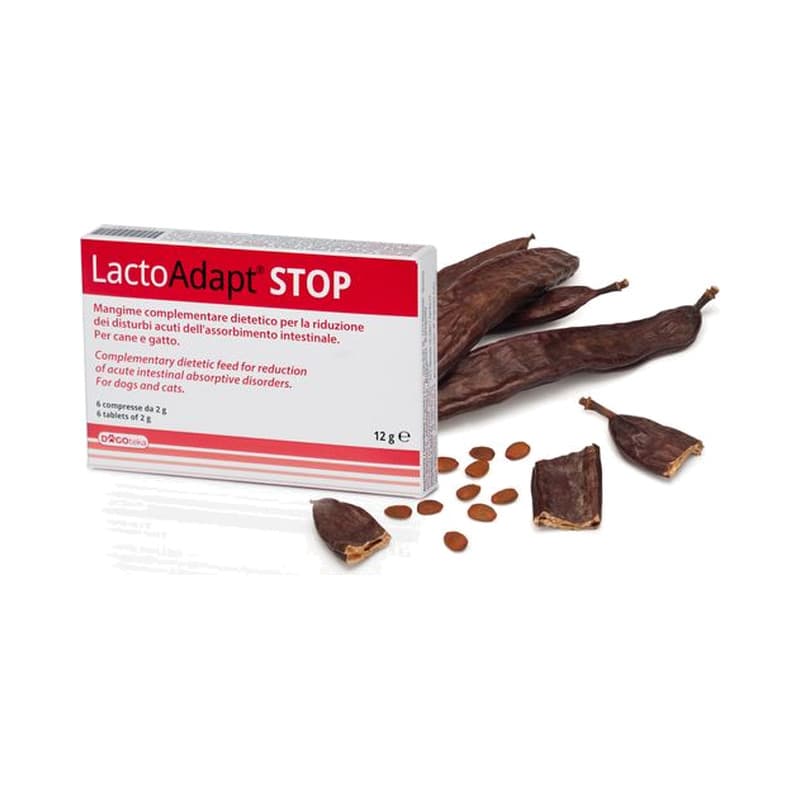
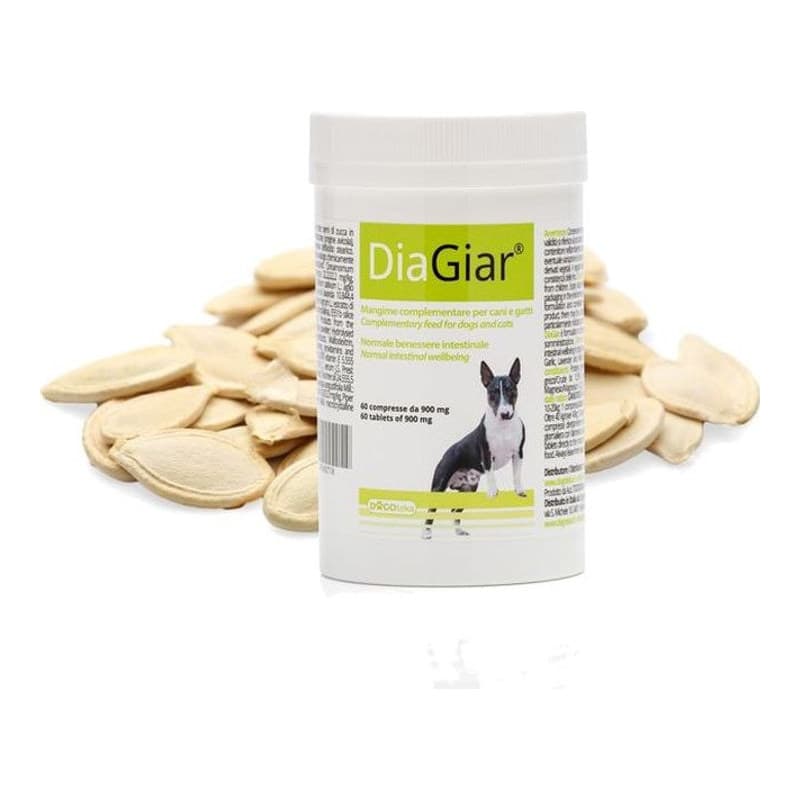
Vor und während einer DiaGiar®-Kur zusätzlich zu LactoAdapt® geben.
Zusammen mit DogoMini®, DogoJunior® oder DogoMaxy® für einen besseren Wirkungsgrad.
Zur Unterstützung der Genesung in der Rekonvaleszenzphase.
Vom 8. bis 20. Tag die normale Dosis, ab dem 21. Tag die reduzierte Dosierung auch über einen längeren Zeitraum.
Bei geringer Aktivität kann die Dosis etwas reduziert werden.
Bei fast jedem Dogoteka-Produkt steht derselbe Satz: „Zum Erreichen einer bestmöglichen Wirkung empfehlen wir die Kombination mit MultiAdapt®." Das ist kein Zufall, sondern die Rolle dieses Präparats, es liefert die Vitamin-, Mineral- und Spurenelementbasis, auf der spezialisierte Produkte überhaupt erst greifen können. Wer ein Gelenkpräparat gibt, aber einen Mangel im Grundstoffwechsel hat, verschenkt Wirkung. Inhaltlich ist die Abdeckung ungewöhnlich breit: praktisch das komplette Vitaminspektrum, sechs Spurenelemente, L-Carnitin als Energieträger sowie drei Pflanzen mit klarer Funktion — Hagebutte als Vitamin-C-Quelle, Echinacea und Astragalus für die Immunabwehr, letzterer zusätzlich leberschützend.
Auch das Dosierschema ist durchdacht: erst eine Woche doppelte Gabe zum Aufbau, dann 20 Tage Erhaltung, mit klaren Anpassungen für ruhige und für hochaktive Hunde.
Nach Körpergewicht und in zwei Phasen — die vollständige Staffelung für Hunde und Katzen steht in der Dosiertabelle.
In den ersten 7 Tagen wird die Dosis auf zwei Gaben verteilt, um den Aufbau zu beschleunigen. Ab dem 8. Tag genügt eine Gabe täglich über 20 Tage.
Ja, genau dafür ist es gedacht. Es hilft bei der Verstoffwechselung und Wirkung anderer Ergänzungsfutter und verbessert die Wirkung vieler DOGOteka-Produkte.
Bei Hunden mit geringer Aktivität kann die Dosis etwas reduziert werden.
Vom 8. bis 20. Tag die normale Dosis geben, ab dem 21. Tag kann die reduzierte Dosierung auch über einen längeren Zeitraum zugefüttert werden.
Für dieses Produkt gibt es noch keine Bewertung. Wenn du es kennst, hilfst du den nächsten mit ein paar Sätzen weiter.
Astragalus unterstützt unspezifisch die Widerstandskraft gegenüber Stressfaktoren körperlicher wie geistiger Art — und schützt über seine Saponine zusätzlich die Leber.
Geeignet für heranwachsende Welpen ebenso wie für ausgewachsene und ältere Hunde und Katzen.
Spirulina-Algen fördern einen ausgezeichneten Zustand von Pigmenten, Haut und Fell — ein Effekt, den man dem Tier ansieht.
— MultiAdapt® ist als Begleiter dazu konzipiert.
Ja, es ist für heranwachsende Welpen, ausgewachsene und ältere Hunde und Katzen gleichermaßen vorgesehen.
Ja, die Unterstützung bei Trächtigkeit und Stillphase ist ein ausdrücklicher Anwendungsbereich.
Die Wurzel des Mongolischen Tragant wirkt tonisch-adaptogen. Ihre Polysaccharide stimulieren das Immunsystem, ihr Saponingehalt wirkt leberschützend.
Es sind keine negativen Nebenwirkungen und keine allergischen Reaktionen bekannt.

Ab 85 € Bestellwert liefern wir versandkostenfrei innerhalb Deutschlands.
SSL-verschlüsselt, mit PayPal, Kreditkarte, Apple Pay oder Google Pay.
14 Tage Widerrufsrecht — eine formlose E-Mail genügt.